🌐United Nations Climate Policy Session
Invited to brief UN officials on sunlight reflection methods (SRM), sharing expert perspectives on emerging climate intervention technologies, tradeoffs, and uncertainties in a closed-door policy session.
From email blasts to expert briefings, directly engaging decision-makers at local, national, and international levels
I view science policy as a two-way street: scientists bring evidence and recommendations, and policymakers bring constraints, values, and tradeoffs. My role is to help bridge those worlds, whether that means answering questions about sunlight reflection methods (SRM), explaining agricultural risks, or simply listening and turning those concerns into research questions. My goal is to help prevent the worst impacts of climate change, and I know science alone isn't enough to get us there. That's why I pair my research with active policy engagement—urging policymakers to expand and accelerate the known solutions and educating them on emerging ones.
From UN and Canadian government briefings to congressional visits, these are some of the key moments where my research has directly influenced climate and science policy discussions.
Invited to brief UN officials on sunlight reflection methods (SRM), sharing expert perspectives on emerging climate intervention technologies, tradeoffs, and uncertainties in a closed-door policy session.
Presented research findings and policy-relevant insights on SRM and food security to 300+ officials from Global Affairs Canada. Translating technical model results into clear implications for real-world decisions.
Serving as an American Geophysical Union (AGU) Local Science Partner to regularly engage with U.S. federal legislators, including two congressional visits to advocate for strong science funding and evidence-based climate policy.
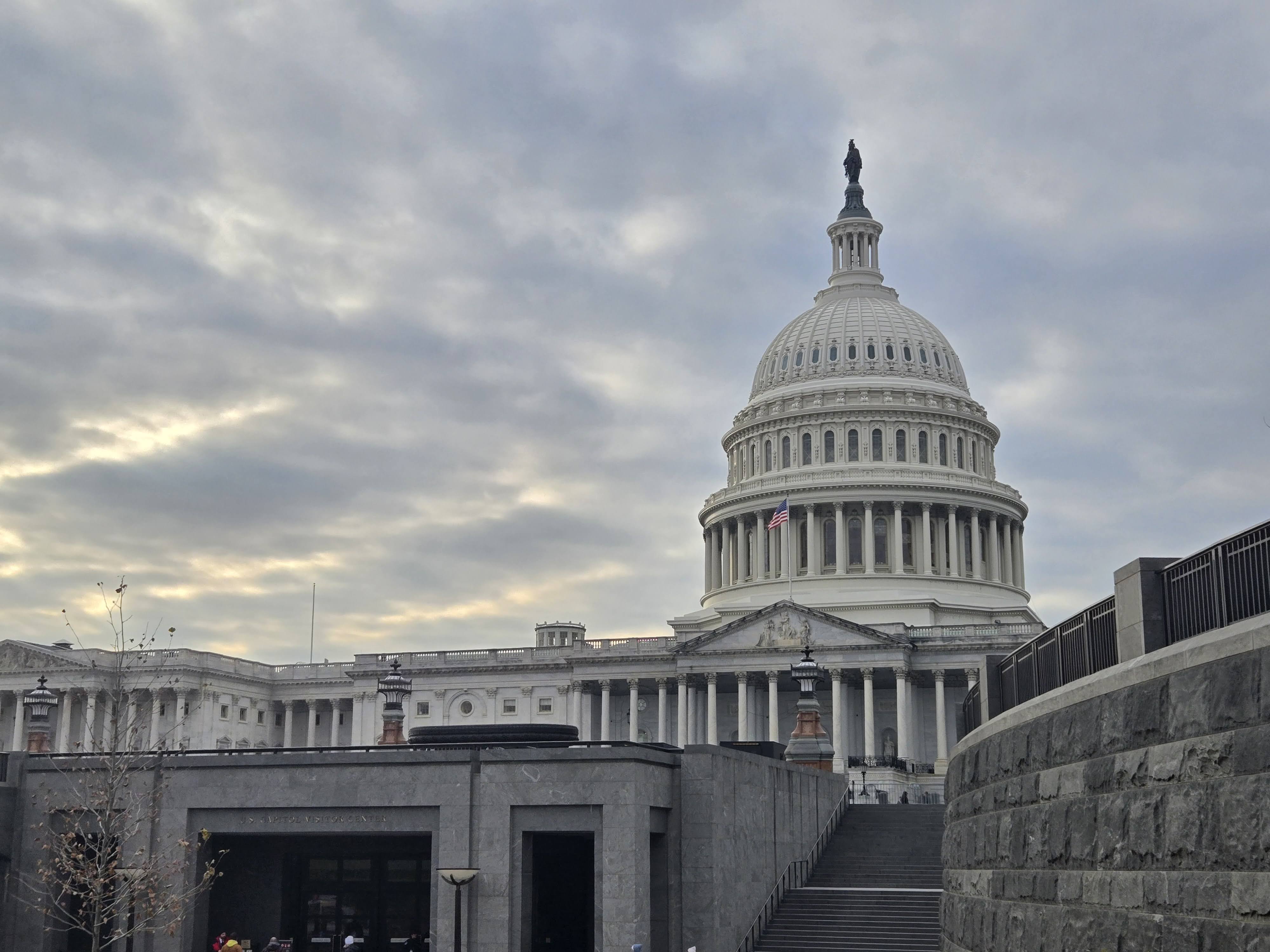
Photo of the Capitol building during a Dec 2024 congressional visit
🎙️ Bringing climate intervention and agricultural risks directly into rooms where decisions are made.
I’ve briefed both national and international policymakers on the science of climate intervention, especially how stratospheric aerosol injections (SAI) could interact with food security and the Sustainable Development Goals (SDGs).
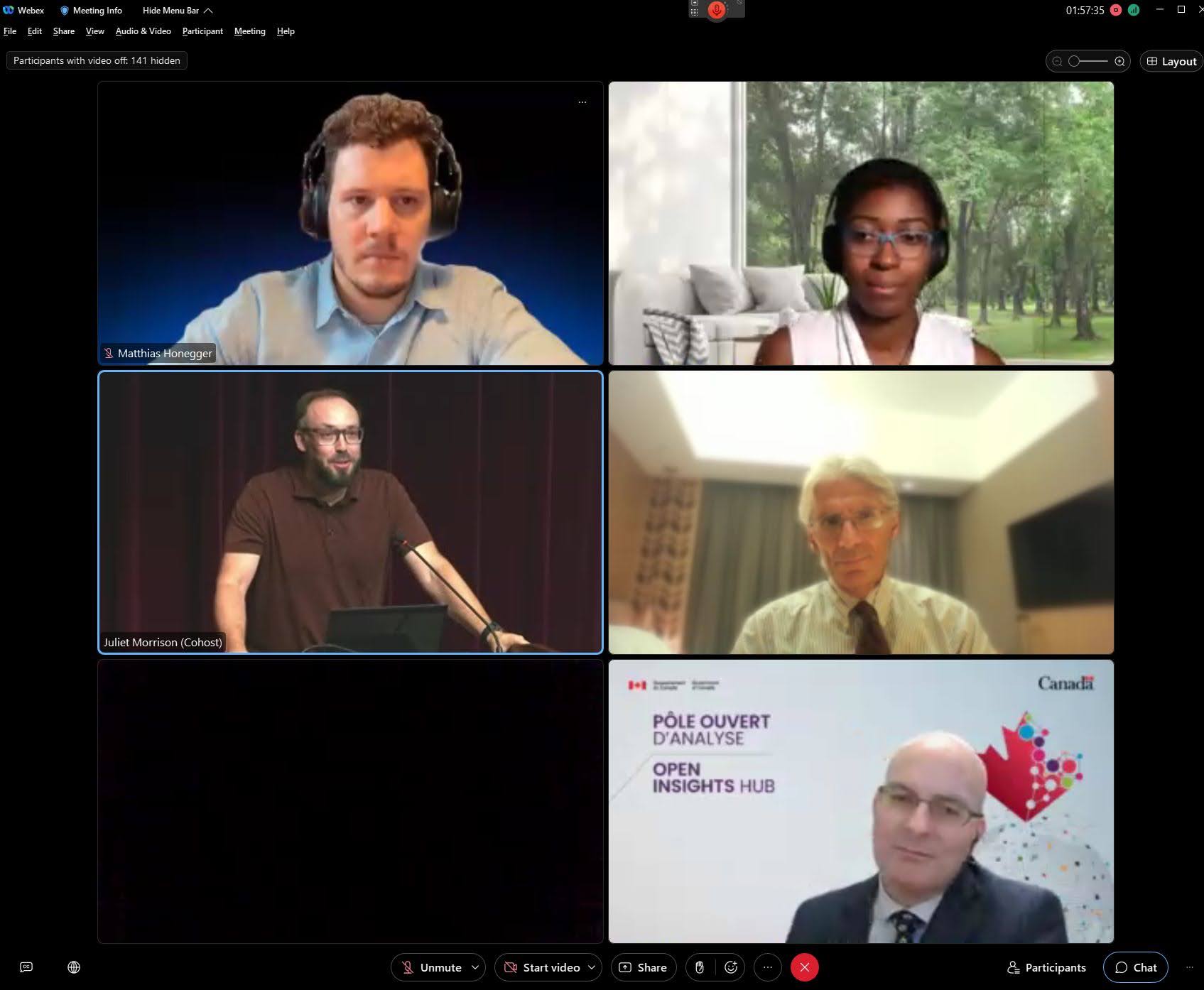
Speaking on a Global Affairs Canada panel on the modern challenges of climate engineering.
🏛️ Bringing science directly to the people who shape policy
As an AGU Local Science Partner, I regularly reach out to my federal legislators to advocate for strong science funding and evidence-based climate policy.
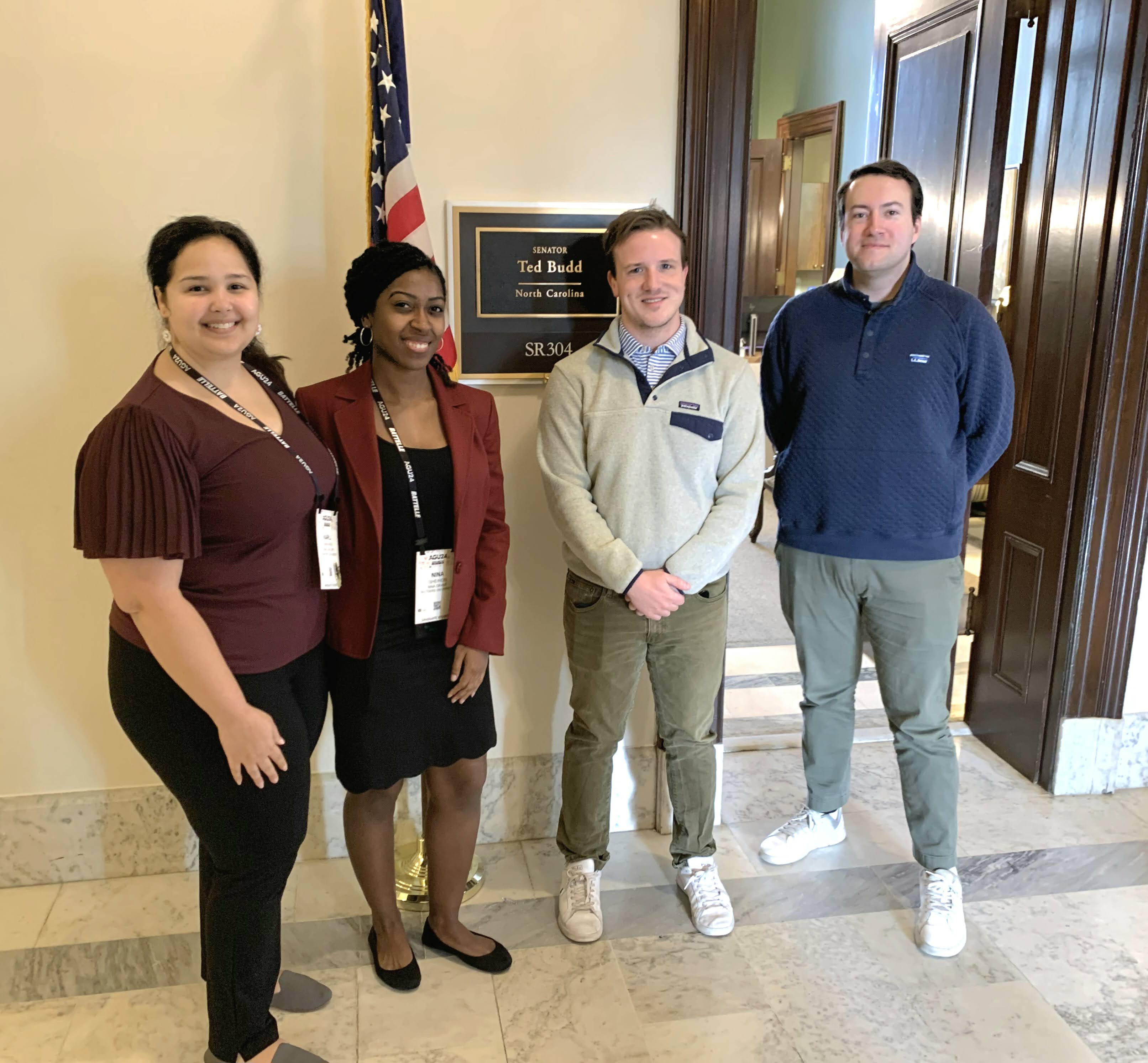
Meeting with staff from Senator Budd’s office during one of my congressional visits.
🧭 Learning how everyday people — including scientists — can influence systems from the inside out.
I invest in structured training on how government actually works, and how to engage it constructively as a citizen and scientist.
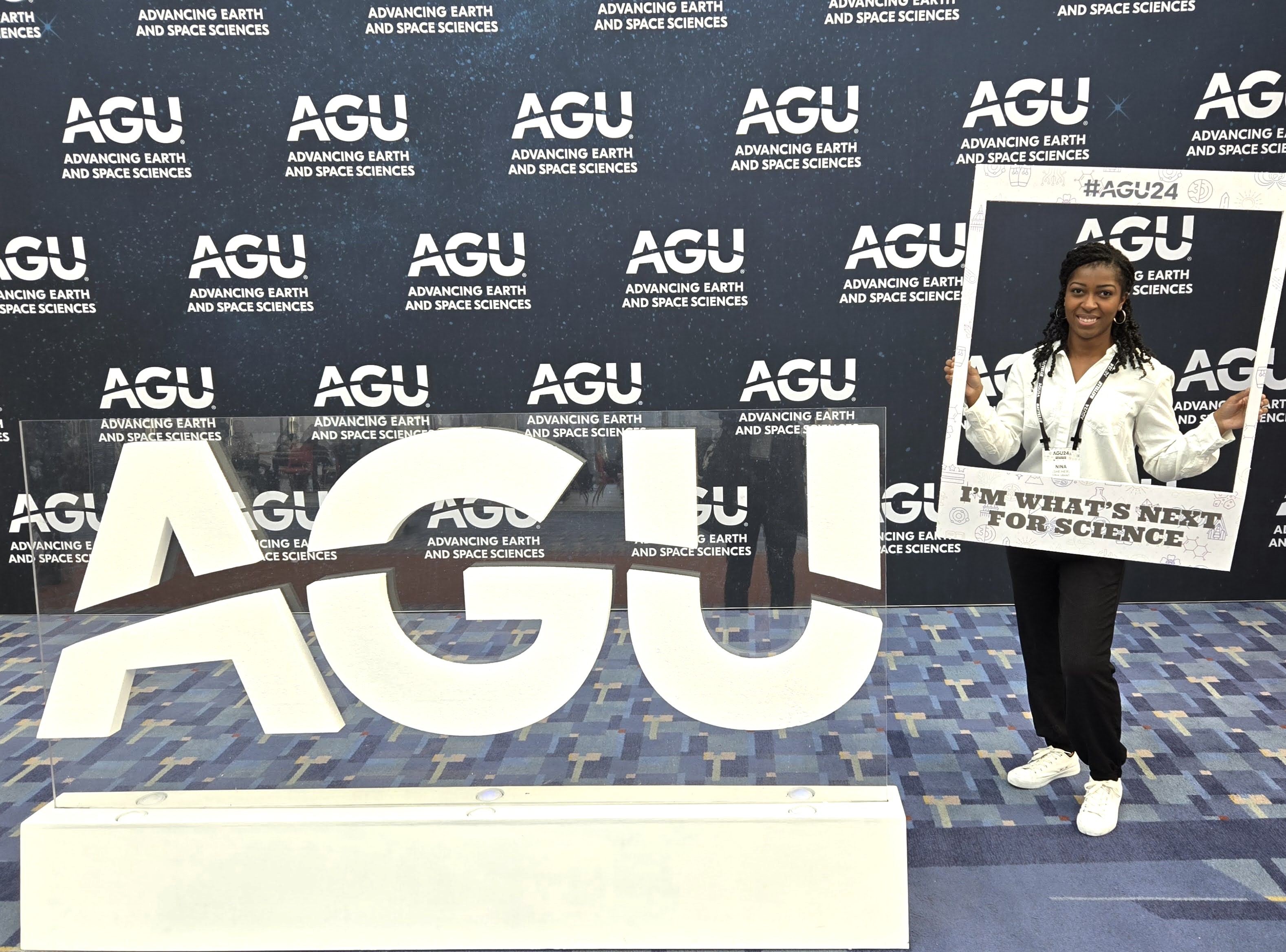
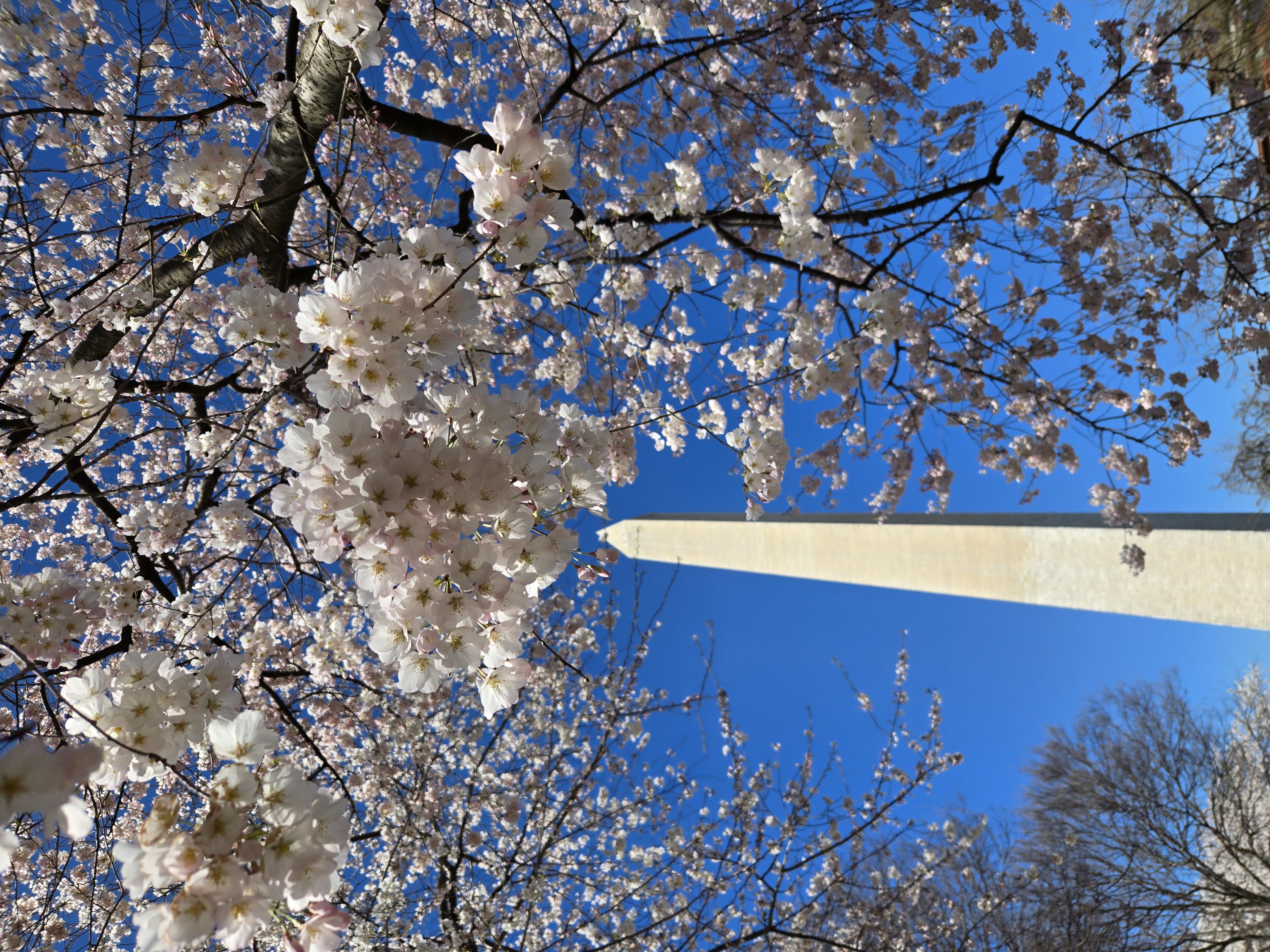
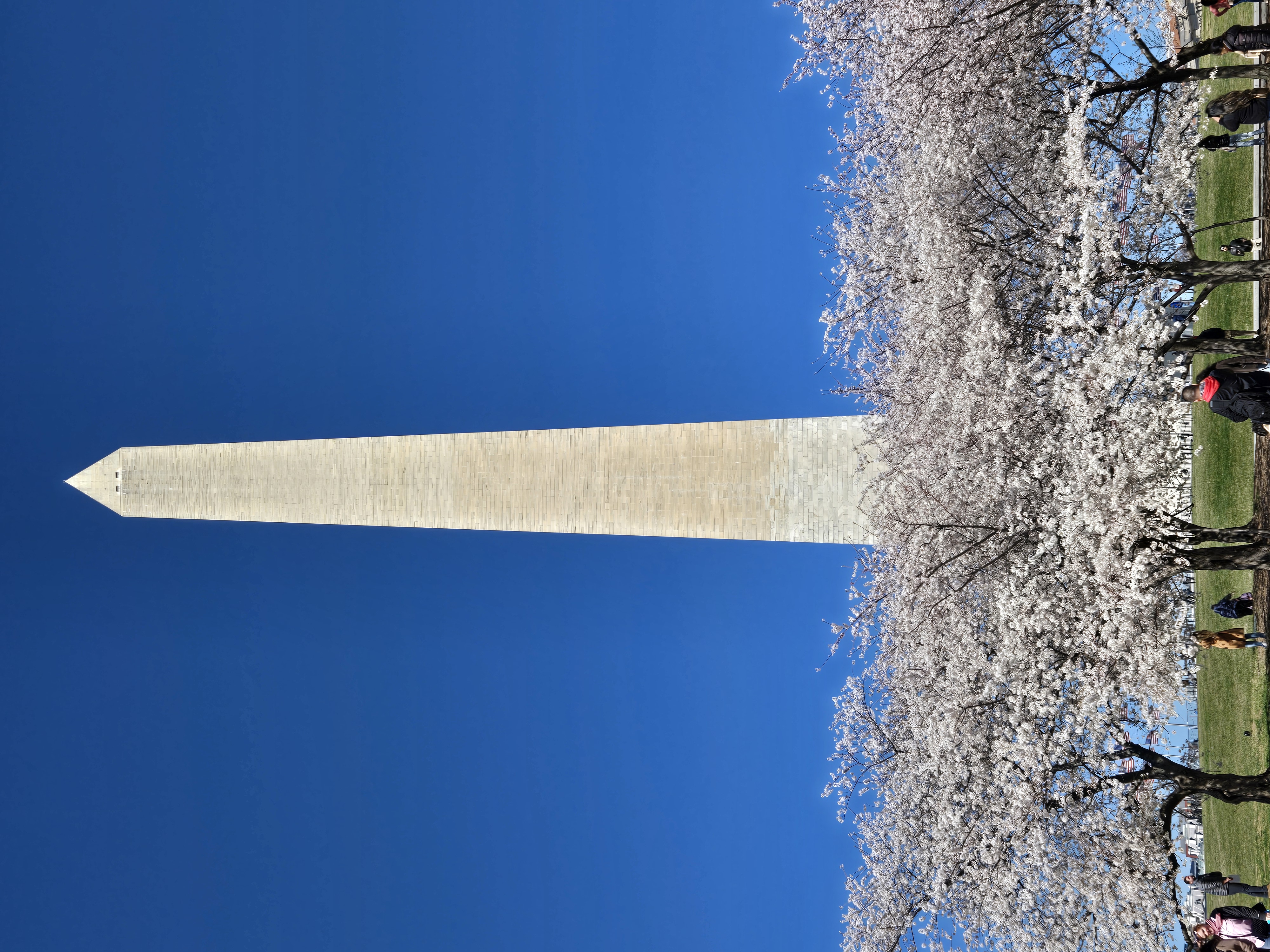
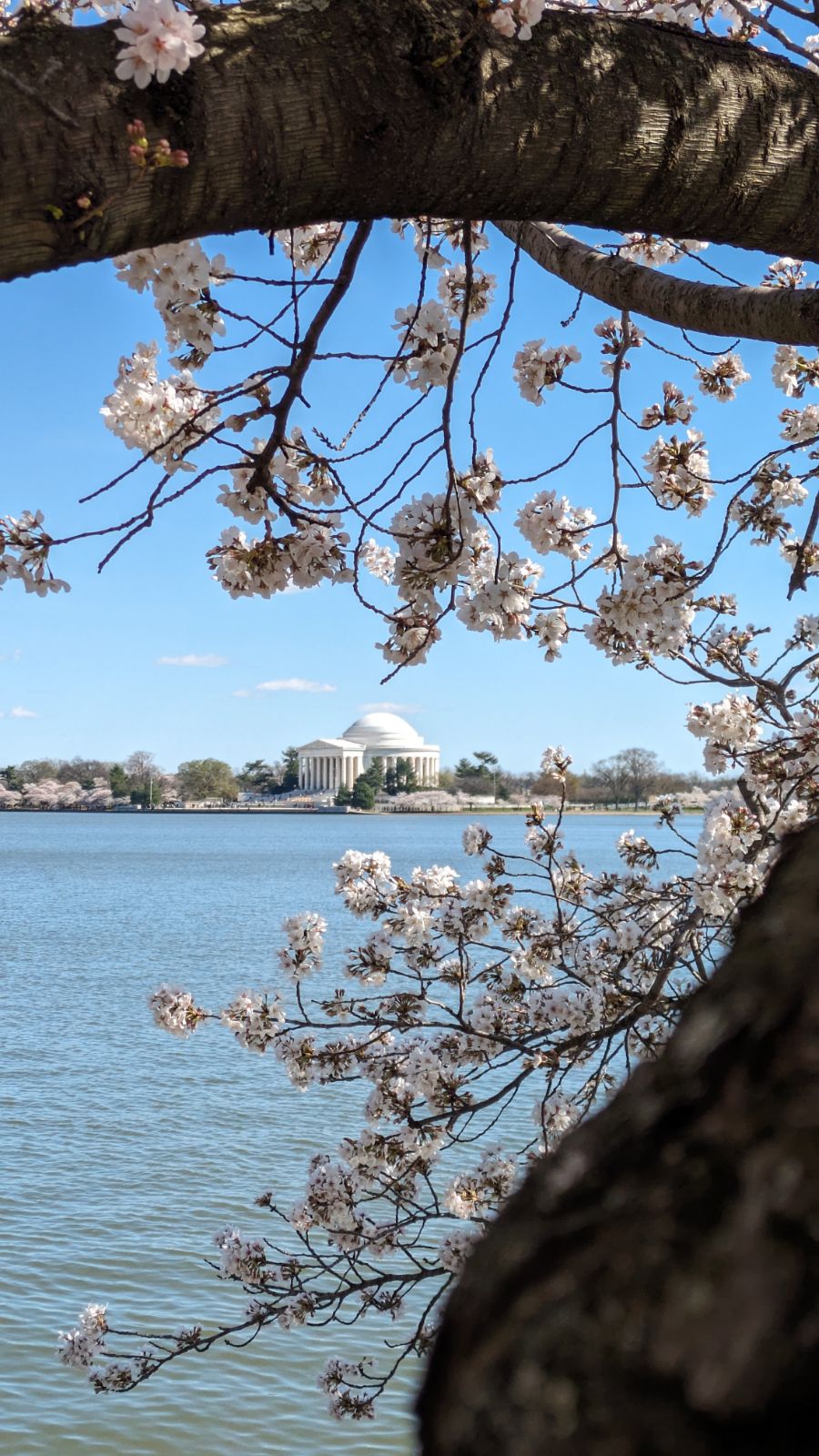
Captured during my Congressional Visit — perfect timing with peak bloom.